Reviewing the Cute Baby Leopard for Real Embroidery Projects
As a designer who has spent years digitizing and stitching thousands of patterns, I approach every new machine embroidery design with a critical eye. It is not just about whether the image looks cute on a screen; it is about how it translates to thread, how it behaves on fabric, and whether it holds up in the hands of a customer. Recently, I evaluated the Cute Baby Leopard, a design categorized under Wild Animals, to determine its viability for commercial and personal use. This review breaks down the practical realities of using this pattern in a professional setting.
First Impressions and Visual Personality
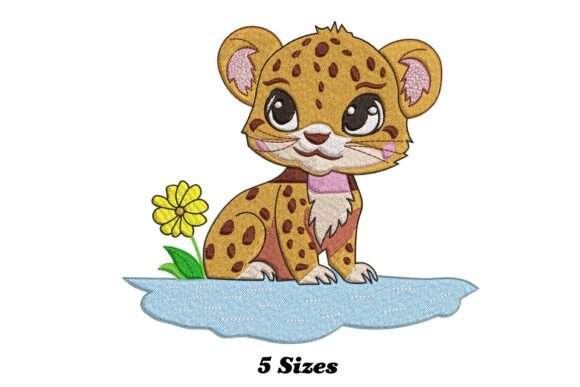
The initial appeal of the Cute Baby Leopard lies in its approachable aesthetic. Unlike realistic wildlife depictions that can appear stiff or overly complex, this design leans into a cheerful and artistic interpretation. The layout suggests a balance between simplicity and character, which is crucial for modern handmade products. When I visualize this on a product, I do not see a museum piece; I see a friendly accent for everyday items. The mood is light, making it an excellent candidate for gifts and boutique merchandise where warmth and personality are key selling points.
For embroidery designers, the shape and detail level are the first things to scrutinize. A design that is too dense can pucker lightweight fabrics, while one that is too sparse may look unfinished. From a visual standpoint, this leopard design appears to rely on clean lines and strategic fill areas, suggesting it was created with stitch efficiency in mind. This is vital for anyone running a craft business, as machine time equals money.
Real-World Application: The Tote Bag Test
To truly understand a design, you must imagine it in a specific context. Let us consider a real-life scenario: preparing a custom embroidered tote bag for a local farmer’s market or an Etsy shop. Canvas tote bags are popular, but they present challenges due to their weave and thickness. Placing the Cute Baby Leopard on a natural cotton canvas creates a charming contrast. The wild animal theme softens the utilitarian nature of the bag, turning a simple grocery carrier into a statement piece.
In this scenario, the design’s performance depends heavily on the stitch density. If the leopard’s spots are rendered with tight satin stitches, they will pop against the textured fabric. However, if the body uses a heavy fill stitch without proper underlay, the bag might distort. I recommend testing this design on scrap fabric that matches your final product. For a tote, a medium-weight stabilizer is non-negotiable to prevent shifting during the high-speed stitching process.
Versatility Across Product Lines
Beyond tote bags, this design shows promise in several other categories. For custom apparel, such as sweatshirts or t-shirts, the cheerful vibe fits well with casual wear. On a fleece sweatshirt, the design needs to be large enough to remain clear, as the pile of the fabric can swallow small details. Conversely, on a smooth cotton t-shirt, you must ensure the stitch count is not so high that it creates a hard, uncomfortable patch on the chest.
For baby embroidery, such as onesies or burp cloths, the "cute" factor is a major sales driver. Parents love whimsical animals, but safety and comfort are paramount. Here, the design must be checked for any tiny, loose threads or dense areas that could irritate sensitive skin. Using soft thread colors and ensuring a clean trim around the edges is essential for a professional finished product.
Technical Considerations for Stitching Success
While the Cute Baby Leopard is versatile, it is not without its technical demands. Embroidery is a tactile medium, and certain fabrics react differently to thread tension and needle penetration. When working with stretchy fabrics like jersey knits for t-shirts, a cut-away stabilizer is often required to maintain the integrity of the design after washing. Without it, the leopard might warp or twist over time, ruining the aesthetic of your handmade product.
Dark fabrics present another challenge. If you are stitching this design on a navy or black garment, you must pay close attention to thread colors. Lighter threads will stand out, but you may need to adjust the brightness in your software or choose high-contrast color palettes to ensure the leopard does not disappear into the background. Always run a test stitch on a similar dark fabric to check for visibility and coverage.
Curved surfaces, such as caps or hats, require careful placement. The Cute Baby Leopard should be centered properly to avoid distortion when the cap is worn. Additionally, detailed corners in the design, such as the ears or tail, need to be monitored for thread breaks or nesting. A well-digitized design will use running stitches or lighter fill patterns in these delicate areas to reduce bulk.
Commercial Value and Brand Consistency
For Etsy sellers and small shop owners, the visual appeal of a design directly impacts buyer engagement. A cohesive brand relies on consistent quality. If the Cute Baby Leopard stitches out cleanly with minimal trimming, it enhances the perceived value of your goods. Customers associate neat, professional embroidery with trustworthiness. A messy backside or puckered front can lead to returns and negative reviews, which are detrimental to a growing craft business.
This design also works well for seasonal promotions. Think of holiday embroidery for Christmas gifts or Easter baskets. Adding a festive bow or combining the leopard with seasonal elements can create unique, limited-edition items that drive sales. However, always confirm the licensing terms before selling finished items. While many digital embroidery files allow for commercial use of the physical product, some restrict the sale of the digital file itself or require attribution.
Practical Designer Notes
Before committing to a large production run, take these steps to ensure success with the Cute Baby Leopard:
- Test on Scrap Fabric: Never stitch directly on your final product. Use a similar material to check tension and alignment.
- Check Hoop Size: Ensure the design fits within your machine’s hoop capabilities without needing complex re-hooping techniques.
- Review Stitch Density: Look at the color change sequence. Dense areas may require slower stitching speeds to prevent thread breaks.
- Inspect Small Details: Zoom in on the digital preview. Are the eyes and spots clearly defined? Will they stitch out cleanly at smaller sizes?
- Use Proper Stabilizer: Match the stabilizer to the fabric weight. Tear-away for stable wovens, cut-away for knits.
- Mockup in Black and White: This helps you see the contrast and structure of the design without the distraction of color.
In conclusion, the Cute Baby Leopard is a strong contender for designers looking to add a touch of whimsy to their portfolio. It bridges the gap between playful and professional, provided it is executed with attention to technical detail. Whether you are creating personalized gifts, expanding your Etsy listings, or designing custom apparel, this pattern offers a solid foundation for creative expression. Just remember that the quality of the final product depends as much on your setup and materials as it does on the design itself.