Reviewing Baby Bunny Girl with Toy Cat for Real Projects
As a designer who has spent countless hours staring at digitized paths and testing stitch-outs on scrap fabric, I approach every new machine embroidery design with a mix of curiosity and caution. We have all been there: the digital preview looks flawless, but the reality on fabric can be a different story. Recently, I evaluated the Baby Bunny Girl with Toy Cat to determine if it holds up under the scrutiny of real-world application. This is not just about whether the image is cute; it is about whether it functions as a viable asset for your craft business, your personal hobby projects, or your client work.
First Impressions and Visual Personality
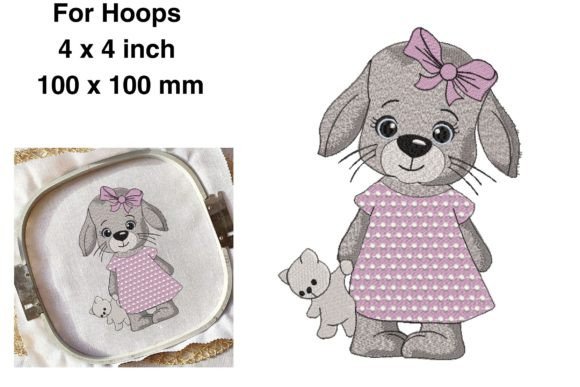
The moment I loaded the file into my editing software, the charm of the Baby Animals category was evident. The composition features a gentle, whimsical interaction between a bunny and a cat, which immediately suggests warmth and innocence. For those of us creating handmade products, mood is everything. This design does not scream for attention with aggressive lines or overly complex shading. Instead, it offers a soft, approachable aesthetic that fits seamlessly into the nursery decor and baby gift market.
The layout is balanced, which is crucial for maintaining structural integrity during stitching. A lopsided design can cause hoop burn or fabric distortion, especially on lighter materials. Here, the visual weight seems distributed well, suggesting that the digitizer considered how the needle would travel across the fabric. The theme is timeless, avoiding trendy elements that might date the finished product within a season. This longevity is key for Etsy sellers who want listings that remain relevant year after year.
Real-World Application: From Mockup to Merchandise
I often visualize where a design will live before I even thread the machine. With Baby Bunny Girl with Toy Cat, the possibilities for custom apparel are strong. I pictured this stitched onto a soft, heather-gray sweatshirt for a toddler. The contrast between the playful subject and the casual garment creates a high-value personalized gift. It is not just a shirt; it is a keepsake.
Beyond apparel, this design shines in home goods. Imagine it as a central motif on a linen tote bag design or a corner accent on a high-quality kitchen towel. The scale appears versatile enough to work as a standalone statement piece or as part of a larger collection. For small shop product lines, consistency is vital. If you are building a brand around gentle, nature-inspired themes, this embroidery project aligns perfectly with that narrative. It adds exclusivity to your projects without requiring extensive customization on your part.
For holiday embroidery or seasonal gifts, such as Easter baskets or spring-themed decor, this design is a natural fit. However, its appeal is not limited to specific holidays. It works equally well for welcome-home baby gifts or birthday presents. The versatility increases its commercial value, allowing you to market it across multiple categories without changing the core asset.
Technical Considerations and Stitch Performance
While the visual appeal is strong, we must discuss the technical execution. The description notes that this machine embroidery design comes with multiple embroidery file formats and can be used with multiple embroidery machines. This is a significant advantage for professionals who switch between brands like Brother, Janome, or Husqvarna. However, compatibility is only half the battle.
When evaluating a design like this, I look closely at the potential for satin stitch versus fill stitch usage. Large areas of solid color can become dense and stiff if not properly underlaid. If this design uses heavy fill stitches for the bunny’s body, it may require a cut-away stabilizer to prevent puckering, especially on stretchy fabrics like jersey knits. On the other hand, if the digitizer utilized clever running stitch outlines or textured fills, it will lay flatter and feel softer against the skin—a critical factor for baby embroidery.
Stitch density is another concern. High-density designs look rich but can perforate delicate fabrics. If you plan to use this on a thin cotton voile or a silk blend, you must test it first. I recommend stitching out a sample on a similar fabric weight to your final product. Check for thread breaks or nesting issues. If the design includes tiny details, such as the eyes of the cat or the whiskers, ensure they are not so small that they get lost in the fabric texture or disappear after washing.
Fabric and Hoop Constraints
Not every surface is suitable for every design. While Baby Bunny Girl with Toy Cat is likely optimized for standard hoops, you should confirm the required hoop size before purchasing. Trying to squeeze a large design into a 4x4 inch hoop will result in cropping or scaling issues that distort the proportions. For curved surfaces like caps or hats, this design might be challenging unless it is specifically digitized for 3D foam or cap frames. Flat surfaces like pillow covers, aprons, and tote bags are safer bets for maintaining the design’s integrity.
Dark fabrics present another challenge. If the design relies on light thread colors for visibility, stitching on navy or black fabric may require an underlay of white thread or a backing patch to make the colors pop. Without this, the design can look muddy. Always create a printable mockup or a digital preview with inverted colors to check contrast before committing to the final stitch-out.
Commercial Viability and Brand Trust
For commercial embroidery professionals and digital embroidery file sellers, the quality of the output directly impacts brand trust. A clean, well-digitized design reflects professionalism. If your customers receive a product where the threads are loose or the shape is distorted, they are unlikely to return. Using a reliable design like this helps maintain high standards. It allows you to focus on marketing and customer service rather than troubleshooting stitching errors.
Furthermore, having access to multiple file formats means you can offer this design as a design asset to other makers, provided the license allows it. Always review the licensing terms carefully. Some designers allow unlimited sales of finished physical items but restrict the resale of the digital file itself. Understanding these boundaries protects your craft business from legal issues and ensures you are respecting the original creator’s work.
Final Verdict and Practical Tips
The Baby Bunny Girl with Toy Cat is a promising addition to any designer’s library. It balances aesthetic appeal with practical usability. To get the best results, start by testing the design on scrap fabric using your intended thread types. Pay attention to the tension and the way the fabric behaves under the needle. Use a high-quality stabilizer that matches your fabric weight. If you are selling these items, consider offering them on premium blanks to enhance the perceived value.
Remember, the success of an embroidery project is not just about the design file; it is about the synergy between the file, the machine, the fabric, and the operator. Take the time to refine your process, and this design will serve you well in creating beautiful, memorable pieces for your customers. Whether you are an experienced Etsy seller or a hobbyist making gifts for family, this design offers a solid foundation for creative expression.