Halloween Boo Boo: A Designer’s Craft Fair Review
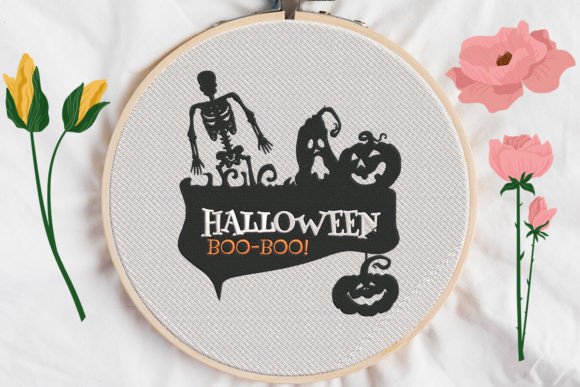
As an embroidery designer who has spent countless weekends standing behind booth tables, I look at every new machine embroidery design through a specific lens. It is not just about whether the stitches are clean; it is about whether the design stops a shopper in their tracks. When I first loaded the Halloween Boo Boo file into my software, my immediate impression was one of playful charm. This is not a scary or gothic design. Instead, it leans heavily into the cute, whimsical side of the season. For sellers targeting families, young parents, and those who prefer a lighthearted approach to October festivities, this design holds significant potential as a high-volume craft fair product.
First Impressions and Visual Appeal
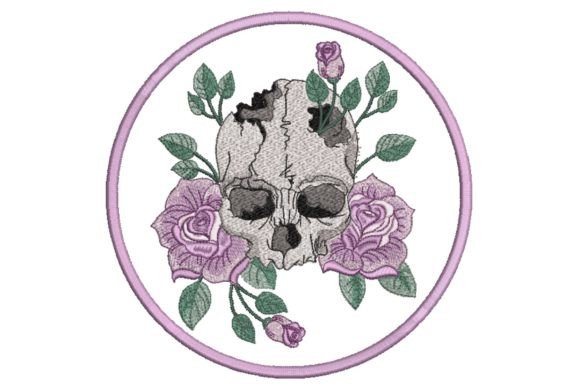
The title itself suggests a narrative of minor mishaps turned into adorable moments, which resonates well with current trends in handmade decor. The description notes that it enhances fabrics with a dash of character, and in practice, this translates to a design that feels approachable and cheerful. When evaluating design assets for a busy market weekend, clarity is king. Halloween Boo Boo appears to have strong outlines and distinct shapes that remain legible from a distance. This is crucial for a booth display where customers are scanning rows of items quickly. The aesthetic bridges the gap between modern minimalism and traditional festive fun, making it versatile enough for various handmade product lines.
Strategic Product Placement for Maximum Sales
To maximize revenue, you must match the design to the right substrate. Based on the playful nature of this embroidery file, here is how it performs across different items:
- Tote Bag Design: This is arguably the strongest candidate. A canvas tote with this motif centered or placed in the corner becomes an instant impulse buy. It is practical, reusable, and serves as a walking advertisement for your brand.
- Apron Embroidery: Kitchen-themed Halloween items are perennial bestsellers. Placing this design on a bistro-style apron creates a cohesive gift set when paired with matching towels.
- Tea Towel Embroidery: Because the design adds a cheerful touch, it works beautifully on flour sack towels. However, ensure the placement avoids seams to maintain a professional finish.
- Embroidered Patch: If the design scales down well without losing detail, turning it into an iron-on or sew-on patch allows customers to customize their own jackets or bags, expanding your market reach.
- Caps and Hats: While popular, curved surfaces can be tricky. This design likely works best on the front panel of a structured cap, but care must be taken to avoid distortion.
Production Practicality for Small Shop Owners
For an Etsy seller or boutique maker, time is money. The efficiency of producing a small shop product depends on the technical execution of the digitizing. While the description mentions it is ideal for t-shirts and home decor, you must verify the stitch density before running a batch. High-density areas can cause puckering on lightweight fabrics like cotton tees, while low-density fills might show the fabric background too much on darker materials.
When preparing for commercial embroidery runs, consider the thread colors. This design likely relies on contrast to pop. Using vibrant oranges, purples, or whites against dark navy or black fabrics will enhance visibility. Conversely, pastels on white linen may wash out the details, reducing the perceived value of the finished product. Always test on scrap fabric first. Check how the threads interact with the fabric texture. Terry cloth towels, for example, can swallow small details, so you may need to adjust the pull compensation or use a topping stabilizer to keep the stitches sitting on top of the loops.
Photography and Online Listings
In the digital realm, your printable mockup or actual product photos must convey the quality of the stitch work. Halloween Boo Boo should be photographed in natural light to highlight the sheen of the rayon or polyester threads. For online listings, show the design in context. A flat lay of a tote bag with autumn leaves scattered around tells a story that a isolated white-background photo cannot. Ensure your images capture the texture of the embroidery, proving to the buyer that this is a premium, handcrafted item rather than a printed graphic.
Careful-Use Notes and Technical Considerations
Before committing to large-scale production, there are critical technical checks every designer must perform. Since the specific technical data such as exact stitch count or recommended hoop size is not detailed in the brief description, you must open the file in your editing software to confirm these parameters.
- Check Lettering Size: If the design includes text, ensure it is large enough to be readable. Tiny lettering often merges together after washing, ruining the aesthetic.
- Stabilizer Selection: Use the correct stabilizer for your fabric. Cut-away stabilizer is generally safer for garments that will be washed frequently, while tear-away may suffice for stable home decor items like pillow covers.
- Dark Fabric Testing: Test the design on black or dark purple fabric. Some digitized files do not account for underlay stitches properly, leading to gaps where the dark fabric shows through the lighter top stitches.
- Commercial Licensing: Always confirm the license terms included with the digital embroidery file. Ensure you have the rights to sell physical items made with this design, especially if you plan to scale up your craft fair product inventory.
Enhancing Brand Consistency and Buyer Engagement
Using a cohesive theme like Halloween Boo Boo helps strengthen your brand identity. If your shop specializes in whimsical, family-friendly goods, this design reinforces that message. It invites engagement because it is relatable and fun. Customers are more likely to pick up an item that makes them smile, and this design achieves that emotional connection. By offering it on multiple products—from market bags to pillow covers—you create a curated collection that encourages multiple purchases.
In conclusion, Halloween Boo Boo is a strong contender for your autumn lineup. It balances artistic flair with commercial viability. By paying attention to fabric choice, stabilizer use, and strategic product placement, you can transform this embroidery file into a standout star of your craft fair booth. Remember, the key to success lies not just in the design itself, but in how well you execute it on high-quality materials that showcase the craftsmanship your customers expect from a professional maker.