Baby Dog Embroidery Design Review for Real Projects
As a designer who has spent years navigating the nuances of machine embroidery, I approach every new file with a mix of excitement and skepticism. The market is flooded with generic assets, but finding a piece that truly translates well from screen to fabric requires a keen eye. Today, I am evaluating the Baby Dog machine embroidery design. This isn't just about whether the image looks cute in a preview; it is about how this specific design holds up under the pressure of real-world production, client expectations, and the physical realities of stitching.
First Impressions: Mood and Visual Personality
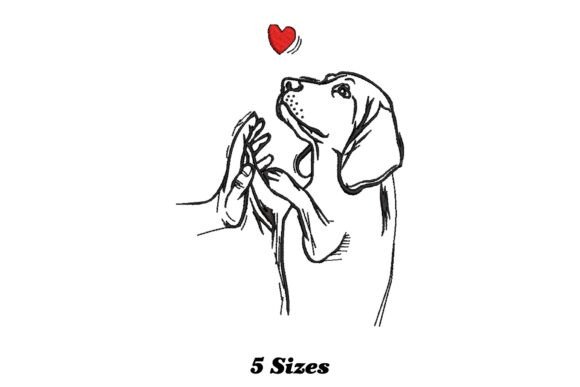
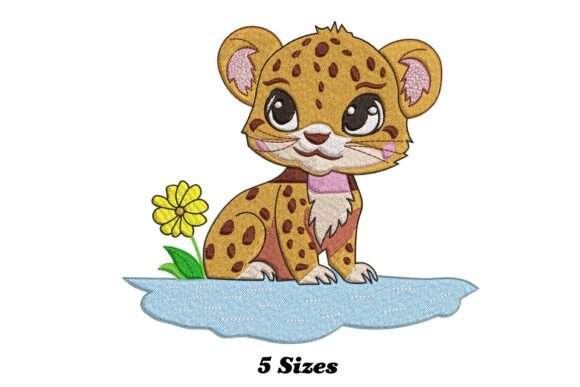
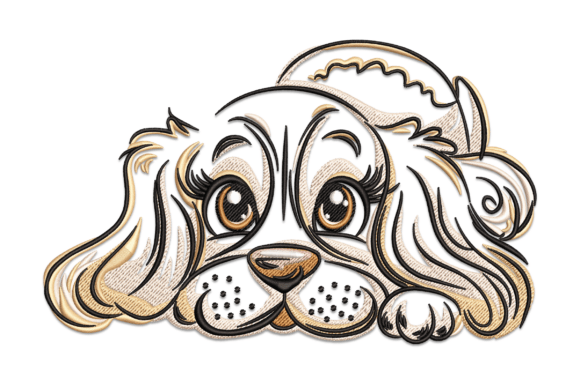
When I first opened the Baby Dog file, the immediate impression was one of wholesome charm. The design captures that quintessential "puppy" energy—playful, slightly goofy, and undeniably endearing. For anyone looking to inject a fun and quirky flair into their product line, this theme hits the mark perfectly. The layout appears balanced, avoiding the common pitfall of being too top-heavy or awkwardly stretched. In the world of Dogs themed Embroidery, many designs lean too heavily on complex realism or, conversely, become so abstract they lose their identity. Baby Dog seems to find a sweet spot, offering clear lines and a distinct silhouette that should read well even from a distance.
The visual personality suggests versatility. It doesn't scream "nursery only," nor does it feel too mature for a child's item. This kind of neutral yet joyful aesthetic is exactly what small business owners and Etsy sellers need to broaden their appeal without alienating their core audience.
A Real-World Scenario: The Custom Tote Bag Project
To truly test the viability of this design, let's imagine a specific scenario. I am preparing a batch of custom canvas tote bags for a local boutique that specializes in eco-friendly home goods. The goal is to create a limited-run collection that feels handmade and personal. I envision placing the Baby Dog design prominently on the front panel of a natural beige tote bag.
In my mind's eye, as the needle moves, the fill stitch creates a soft, textured surface that mimics the fluffiness of a puppy's fur. The contrast between the earthy tone of the canvas and the vibrant thread colors selected for the design would pop beautifully. Unlike a printed graphic, the raised texture of the embroidery adds a tactile dimension that customers love to touch. If I were selling these as a handmade product, the quality of the stitching on the Baby Dog motif would serve as a silent ambassador for the brand's attention to detail. A customer picking up that bag would immediately sense the effort involved, increasing the perceived value of the item.
However, success here depends on execution. If the stitch density is too high, the canvas might pucker, ruining the professional finish. If the hoop size isn't large enough to accommodate the full design without distortion, the dog's features could look warped. This is where the practical judgment of the designer comes into play.
Performance Across Different Fabrics and Products
The beauty of a well-crafted machine embroidery design like Baby Dog lies in its adaptability. Beyond tote bags, I see immense potential for this asset in various categories:
- Custom Apparel: On sweatshirts and t-shirts, this design works exceptionally well. The rounded shapes of a puppy translate nicely to the curves of a chest pocket or the center of a hoodie. Just ensure you use a tear-away or cut-away stabilizer appropriate for the knit fabric to prevent shifting.
- Baby Items: Given the subject matter, baby embroidery is a natural fit. Onesies, bibs, and receiving blankets can be transformed into adorable gifts. The key here is safety and comfort; avoid heavy thread counts that might irritate sensitive skin.
- Home Decor: Pillow covers and kitchen towels benefit from the whimsical nature of the design. An embroidered patch featuring Baby Dog could also be a hit for those who prefer to add decor later rather than committing to a permanent stitch.
- Holiday Gifts: During the festive season, this design could be paired with seasonal accessories, turning a standard sweater or hat into a unique holiday embroidery project.
For the Etsy seller or craft fair vendor, having a reliable digital embroidery file that performs consistently across these mediums is crucial for maintaining inventory flow and customer satisfaction.
Where Caution is Required
While Baby Dog is versatile, it is not a magic bullet for every situation. As an experienced reviewer, I must highlight areas where this design requires careful handling:
Textured and Stretchy Fabrics: If you are working with highly textured fabrics like chenille or very stretchy knits, the intricate details of the puppy's face might get lost. The running stitch outlines may break up on uneven surfaces. Always test on a scrap piece first.
Dark Backgrounds: While the design likely includes light-colored threads, placing it on black or navy fabric requires a solid backing layer (like a white underlay) to ensure visibility. Without it, the charm of the design will be muted.
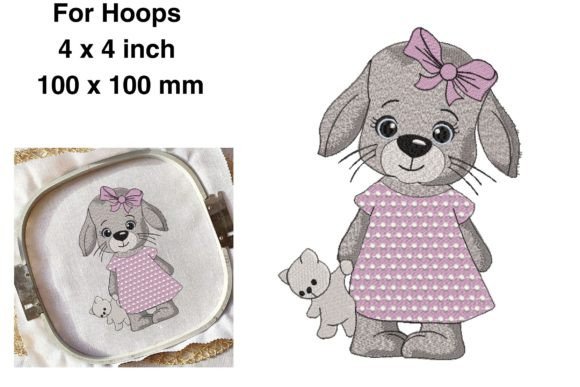
Small Hoops: If your machine has a small hoop, check if the design scales down effectively. Reducing a detailed animal design too much can cause stitches to bunch up, leading to a muddy appearance. Inspect the small details closely before committing to a run.
Frequent Washing: For items like kitchen towels or baby clothes that undergo frequent washing, the durability of the thread and the stability of the satin stitch edges are paramount. Ensure the design is anchored securely to prevent fraying over time.
Impact on Brand and Customer Trust
In the competitive landscape of handmade goods, the quality of your design assets directly influences buyer engagement. A poorly executed embroidered patch or a distorted sweatshirt embroidery can damage a brand's reputation instantly. Conversely, a crisp, well-placed Baby Dog design signals professionalism. It tells the customer that you care about the final presentation.
When creating printable mockups for your online store, ensure they accurately reflect the texture and depth of the actual stitch. Misleading images can lead to returns and negative reviews. By using high-quality design assets and presenting them honestly, you build trust. Customers buying a personalized gift want to know it will look as good in person as it did in the listing.
Practical Designer Notes for Success
Before you download and start stitching, keep these practical steps in mind to maximize the potential of the Baby Dog file:
- Test on Scrap Fabric: Never skip this step. Stitch the design on a scrap of the exact fabric you plan to use to check for puckering, thread tension, and color rendering.
- Check Thread Contrast: Ensure the thread colors provide enough contrast against your background material. A low-contrast design can look unfinished.
- Review Stitch Density: If the design feels too dense for lightweight fabrics, consider adjusting the settings in your software or using a lighter weight thread.
- Confirm Licensing: Before selling finished items or digital products, verify the license terms. Some files are for personal use only, while others allow for commercial embroidery projects. Do not assume; always confirm.
- Use Proper Stabilizer: The right stabilizer is the backbone of any successful project. Match the stabilizer type to your fabric and design complexity.
- Inspect Small Details: Zoom in on the eyes, nose, and ears of the puppy. These tiny areas often reveal issues with registration or thread breaks.
Ultimately, the Baby Dog embroidery design offers a delightful opportunity to add character to your work. Whether you are a hobbyist making gifts for friends or a creative entrepreneur building a craft business, the success of this project hinges on your preparation and understanding of the materials. With the right approach, this charming design can become a standout feature in your portfolio, bringing joy to both the maker and the recipient.