Reviewing Bee Happy: A Craft Fair Success Story
As an experienced embroidery designer who has spent countless weekends setting up booths at local craft fairs and managing a thriving handmade shop, I know that not every design translates well from the screen to the sales table. When I first loaded the Bee Happy machine embroidery design onto my hoop, I was immediately struck by its potential. This isn't just another generic floral or text motif; it carries a specific energy that aligns perfectly with the current market trends for cheerful, positive, and rustic home goods. In this review, I will break down why this Inspirational category piece is a strong contender for your next batch of products, how it performs on various substrates, and the practical steps you need to take to ensure it sells.
First Impressions: Bold, Cheerful, and Market-Ready
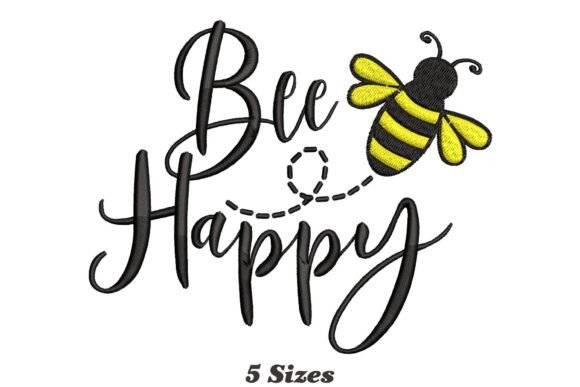
The moment you see the Bee Happy design file open in your digitizing software, the vibe is unmistakable. It feels modern yet timeless, leaning heavily into the "farmhouse chic" aesthetic that continues to dominate Etsy and boutique markets. The concept of being "Bee Happy" is universally understood, making it an excellent choice for a quick emotional connection with a customer browsing a busy booth. Unlike overly complex designs that require a second look to decipher, this design communicates its message instantly. It strikes a balance between decorative flair and clear typography, ensuring that even from a few feet away, the message lands.
For a craft fair seller, clarity is currency. When customers walk past your table, they have seconds to decide if something catches their eye. Bee Happy offers that hook. It is neither too minimal to be ignored nor so dense that it looks messy from a distance. The artistic touch mentioned in the product description suggests a level of detail that elevates the perceived value of the finished product, allowing you to price your items slightly higher than basic applique work.
Product Performance: Where Does It Shine?
When preparing my display for a weekend market, I test every design across multiple product types to find its sweet spot. Here is how Bee Happy performs on the most popular handmade items:
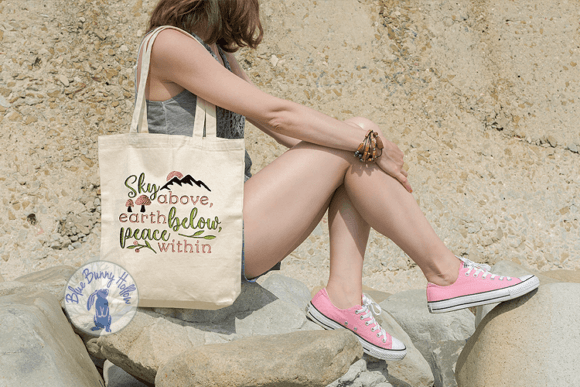
- Tote Bags and Market Bags: This is arguably the strongest application for this design. Placed centrally on a canvas tote bag, the Bee Happy embroidery becomes a statement piece. The sturdy fabric supports the stitch density well, and the design stands out beautifully against natural beige or earthy tones. It transforms a simple utility item into a stylish accessory that people want to carry around town.
- Kitchen Towels and Aprons: Tea towel embroidery is a massive seller in the home decor niche. The cheerful nature of the phrase fits perfectly in a kitchen setting. On aprons, the design works best as a chest pocket accent or a lower hem feature. Just be mindful of the fabric texture; looped terry cloth can sometimes hide fine details, so testing is crucial.
- Embroidered Patches and Caps: For those looking to diversify beyond soft goods, this design makes a fantastic embroidered patch. Sewn onto denim jackets or backpacks, it adds a trendy, youthful edge. On caps, the curved surface requires careful placement to avoid distortion, but the rounded shapes of the bee and lettering generally adapt well to the curve.
- Pillow Covers and Home Decor: As a focal point on a small throw pillow, Bee Happy adds a pop of color and personality. It works exceptionally well in nursery settings or sunrooms where light and positivity are themes.
Production Practicalities: Stitch Density and Fabric Choices
While the design is visually appealing, successful production relies on understanding the technical nuances. As a professional, I always advise checking the stitch density before running a full batch. Some areas of the bee wings or the lettering might appear denser than others. If you plan to use this on thick fabrics like heavy canvas or fleece, you may need to adjust the pull compensation or reduce the density slightly to prevent puckering.
Fabric texture plays a significant role here. On smooth cotton blends, the design pops with high definition. However, on textured towels or slubby linen, tiny details can get lost in the weave. If you notice the small elements of the bee disappearing on a rough fabric, consider simplifying the outline or using a thicker thread weight for the main contours. Always remember to check your hoop size requirements; while this design seems compact, you must confirm the exact dimensions to ensure it fits within your standard 4x4 or 5x7 hoops without needing to split the design, which can lead to alignment issues.
Visual Appeal and Customer Engagement
The true value of Bee Happy lies in its ability to drive engagement. In a physical booth, lighting and color contrast are key. I recommend pairing this design with high-contrast thread colors. A golden yellow bee on a navy blue background or a soft pastel bee on a cream tote bag creates a visual hierarchy that draws the eye immediately. This contrast increases the perceived quality of the handmade product, signaling to the buyer that care was taken in the selection of materials.
For online sellers, particularly Etsy sellers, photography is everything. This design photographs beautifully because the text is legible even in thumbnail views. When creating printable mockups for your digital storefront, ensure the lighting highlights the texture of the stitches rather than washing them out. Customers buying digital files or finished goods want to see the dimensionality of the embroidery. A well-lit photo of the Bee Happy design on a real product can significantly increase conversion rates compared to a flat digital rendering.
Designer Notes: Testing and Licensing
Before you commit to producing a run of fifty tote bags, follow these critical steps to protect your brand and ensure quality:
- Test on Scrap Fabric: Never skip the test run. Embroider the design on the exact fabric you intend to sell. Check for gaps in satin stitches, thread breaks, or pulling on the backside.
- Stabilizer Selection: Use the right stabilizer for the job. Cut-away stabilizers are often better for stretchy knits used in t-shirts, while tear-away works well for woven cottons and towels. Proper stabilization ensures the design remains crisp over time.
- Check Commercial Licensing: Ensure you have the appropriate rights to sell finished products made with this digital embroidery file. Many designers offer personal-use licenses only. Confirm that your license covers commercial embroidery for craft fairs and online shops to avoid legal issues.
- Review Spacing: If you plan to add other design assets nearby, such as a logo or date, leave enough space. Crowding the Bee Happy motif can make it look cluttered and reduce its impact.
In conclusion, Bee Happy is a versatile and charming addition to any embroidery business portfolio. Its blend of whimsical art and positive messaging makes it a standout craft fair product that appeals to a wide demographic. Whether you are selling finished tea towels, custom patches, or digital files to other makers, this design offers a reliable path to sales. By paying attention to fabric choices, thread contrast, and proper licensing, you can turn this single design into a cornerstone of your handmade brand.