Wedding Heart: A Designer’s Review for Craft Fair Success
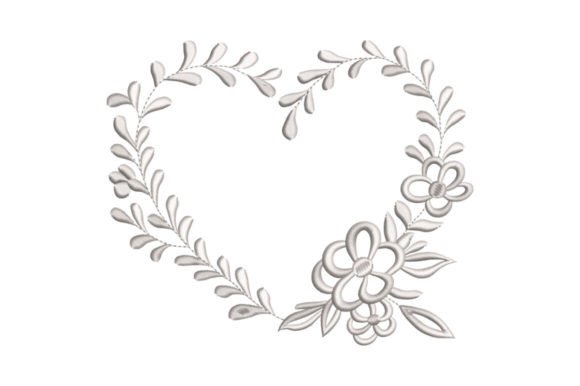
As an experienced embroidery designer, I spend countless hours analyzing motifs not just for their aesthetic appeal, but for their commercial viability. When I first loaded the Wedding Heart design into my digitizing software, my immediate impression was one of refined restraint. In a market often saturated with overly complex patterns and neon thread palettes, this piece stands out as a testament to the power of minimalism. The product description highlights it as a "magnificent Monochromatic Heart," and I can confirm that this tastefully monochromatic motif truly injects a touch of sophistication into any medium it adorns. For those of us preparing for the upcoming season of craft fairs and handmade markets, understanding how this specific design translates from a digital embroidery file to a tangible, sellable object is crucial.
First Impressions and Market Positioning
The visual language of Wedding Heart leans heavily into elegance and modern simplicity. It does not scream for attention with chaotic details; rather, it invites the viewer in with clean lines and balanced proportions. This makes it an ideal candidate for the current trend toward understated luxury in home decor and personal accessories. Unlike rustic or farmhouse styles that rely on distressing and heavy textures, this design feels premium and contemporary. It fits seamlessly into the broader category of Wedding Designs, yet its versatility allows it to transcend bridal-specific items, appealing to anyone who appreciates subtle, high-quality Embroidery work.
For Etsy sellers and boutique makers, this design offers a unique advantage: it photographs exceptionally well. The lack of excessive detail means there are fewer shadows to manage in product photography, allowing the shape and texture of the stitches to take center stage. This clarity is vital for creating compelling printable mockups and digital listings that convert browsers into buyers.
Product Applications and Versatility
When planning my booth display for a weekend craft fair, I always consider which products will maximize the impact of a specific machine embroidery design. Wedding Heart is remarkably adaptable. Here is how it performs across various popular small shop products:
- Tote Bag Design: Placed centrally on a canvas tote, the heart acts as a bold focal point. The monochromatic scheme ensures it looks chic rather than childish, appealing to bridesmaids and wedding guests alike.
- Apron Embroidery: On a linen or cotton apron, this motif adds a touch of domestic elegance. It works beautifully on the bib or the lower corner, suggesting a high-end kitchen aesthetic.
- Tea Towel Embroidery: This is perhaps the strongest seller. The simplicity of the design complements the weave of the fabric without overwhelming it. It creates a perfect giftable handmade item for housewarmings and weddings.
- Embroidered Patch: If scaled down correctly, this design makes for a sophisticated patch that can be ironed onto denim jackets or tote bags, expanding your product line with low material costs.
- Pillow Covers and Market Bags: The design’s balance makes it suitable for larger surfaces where negative space is key to maintaining a modern look.
For creative entrepreneurs using Cricut or other cutting machines alongside embroidery, this design also serves as an excellent template for layered fabric appliqués, further diversifying your craft fair product offerings.
Production Practicalities and Technical Notes
While the aesthetic is straightforward, producing a high-quality finished product requires attention to technical details. As a designer, I advise checking several factors before committing to batch production. First, consider the stitch density. Monochromatic designs rely entirely on the texture and sheen of the thread to create depth. If the density is too low, the fabric may show through, ruining the solid look. If it is too high, you risk puckering, especially on lighter fabrics like tea towels.
You must also evaluate the fabric texture. Thick, textured towels can sometimes obscure fine details, but since Wedding Heart is described as simple and elegant, it should hold up well provided the stitch length is appropriate. However, be cautious with very plush fabrics where the definition of the heart’s edges might get lost.
Another critical factor is the choice of thread colors. Since this is a monochromatic motif, the contrast between the thread and the fabric is paramount. A white heart on a cream bag may vanish in natural light, while a dark grey heart on a black cap might lack definition. Always test your thread combinations on scrap fabric before running a full production batch. Additionally, ensure you use the correct stabilizer for each fabric type to prevent distortion during the stitching process.
Selling Strategy and Customer Engagement
From a sales perspective, Wedding Heart enhances brand consistency by offering a cohesive look across different product types. When customers see the same elegant motif on a tote, a towel, and a pouch, it reinforces the perception of a curated, professional brand. This design attracts buyers who are looking for quality over quantity, often willing to pay a premium for the perceived value of handmade craftsmanship.
For digital sellers offering this as a commercial embroidery file, the marketing angle should focus on ease of use and versatility. Highlight that this digital embroidery file is suitable for both beginners and advanced users due to its clean structure. Emphasize its potential for creating a unified collection of wedding-themed or everyday luxury items.
Important Considerations for Makers
Before you launch your next craft fair product line featuring this design, keep these practical notes in mind:
- Check Hoop Size: Ensure the design fits comfortably within your standard hoop sizes without requiring excessive re-hooping, which can slow down production.
- Review Spacing: If adding text or other elements, maintain ample spacing to preserve the minimalist integrity of the heart.
- Test on Dark Fabric: If you plan to offer dark-colored items, verify that the monochromatic thread provides enough contrast or consider using a metallic thread for added sparkle.
- Confirm Licensing: Always verify the license terms included with the design assets. Ensure you have the right to use the file for commercial embroidery and selling finished products.
- Create Real Mockups: Do not rely solely on digital simulations. Stitch out at least one real sample on each fabric type you intend to sell to check for pull compensation and registration issues.
In conclusion, Wedding Heart is more than just a pretty pattern; it is a strategic asset for any embroidery business owner looking to elevate their product line. Its blend of simplicity and elegance makes it a versatile performer on everything from aprons to tote bags. By paying attention to stitch density, thread contrast, and fabric choice, you can transform this digital file into a best-selling craft fair staple that resonates with customers seeking timeless, handmade quality.