Baby Clothes in Frame Embroidery Review
As an embroidery designer who has spent years refining collections for boutique brands, I approach every new digital asset with a critical eye. When I first opened the Baby Clothes in Frame file to evaluate it for our upcoming limited sweatshirt drop, my immediate goal was to determine if this design could elevate a standard garment into a premium handmade product. For small clothing brands and Etsy sellers, the difference between a generic item and a bestseller often lies in the quality of the machine embroidery design chosen. This review breaks down how Baby Clothes in Frame performs in a real-world commercial setting, specifically focusing on its application for Boys apparel and cozy seasonal wear.
First Impressions: Mood and Layout Analysis
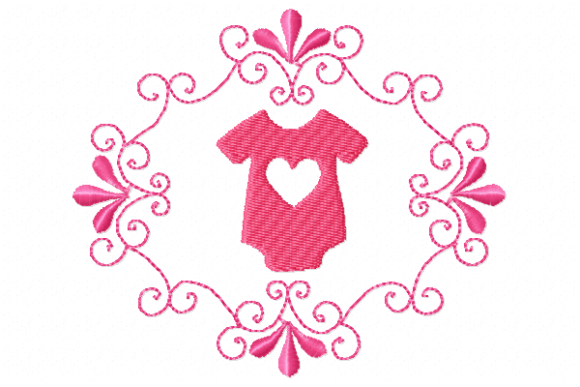
The concept behind Baby Clothes in Frame is inherently nostalgic and sweet. Visually, the design presents a curated collection of miniature baby garments enclosed within a decorative border. The layout is balanced, avoiding the clutter that often plagues complex digitizing projects. For a boutique brand aiming for a rustic or playful aesthetic, this design strikes a perfect chord. It feels less like a cartoon and more like a piece of art ready to be stitched onto fabric.
When visualizing this as a finished product, the mood shifts from simple to sophisticated. The frame element adds a layer of structure that makes the design feel intentional rather than random. On neutral sweatshirts, such as heather grey or oatmeal, the intricate details of the tiny clothes inside the frame would pop beautifully. However, the true test of any embroidery file is its versatility. Does it work on dark fabric? Yes, provided you adjust the thread colors. On black or navy hoodies, using metallic or pastel threads for the frame and the inner garments creates a striking contrast that screams premium quality.
Evaluating Stitch Density and Fabric Texture
One of the primary concerns when moving from a digital preview to physical production is stitch density. Sweatshirt embroidery requires a delicate balance; too dense, and the heavy cotton fleece will pucker; too sparse, and the design lacks definition. Upon reviewing the Baby Clothes in Frame file, the density appears well-calibrated for medium-weight fabrics. The fill stitches seem sufficient to cover the underlay without creating a stiff patch on the chest.
Fabric texture plays a crucial role here. Fleece has a nap that can sometimes obscure fine details. If you are planning to use this hoodie design on oversized hoodies or thick winter apparel, I strongly recommend testing the design on a scrap piece of the actual fabric first. The stabilizer choice is equally critical. A cut-away stabilizer is likely necessary to support the weight of the stitching on a sweatshirt, ensuring that the Baby Clothes in Frame motif remains flat and durable after multiple washes. Neglecting the right stabilizer can ruin even the most beautiful embroidery file, leading to sagging or distortion that damages your brand reputation.
Placement Strategies for Custom Apparel
Where you place the design changes the entire narrative of the garment. For a Baby Clothes in Frame project, the left chest placement is the classic choice for a boutique brand. It offers a subtle branding opportunity that feels personal and artisanal. However, don't underestimate the impact of a back design. Placing a larger version of this motif centered on the back of an oversized hoodie transforms the piece into a statement item. This works exceptionally well for lifestyle product photography, where the scale of the design becomes the focal point of the image.
Sleeve accents offer another avenue for creativity. While the full frame might be too large for a sleeve cuff, a scaled-down version could serve as a unique tag alternative or a secondary detail. This level of customization is what sets custom apparel apart from mass-produced items. As a digital seller, offering mockup previews that show these different placements helps customers visualize the final look, increasing customer engagement and trust in your small shop product.
Color Theory and Thread Selection
The success of Baby Clothes in Frame heavily relies on thread color selection. Since the category is Boys, many designers might default to blues and greens. However, to truly make the design stand out, consider mixing textures and tones. Using a soft sage green for the frame against a charcoal grey sweatshirt creates a modern, gender-neutral appeal that broadens your market. Conversely, bright primary colors for the baby clothes inside the frame can inject a playful energy suitable for a nursery-themed gift.
Thread contrast is non-negotiable for readability. Ensure that the outlines of the frame and the individual garments are distinct enough to be seen from a distance. In commercial embroidery, clarity is key. If the design looks muddy on a printable mockup, it will likely look worse on the actual fabric. Always check the thread chart before committing to a bulk order. The ability to customize these thread colors is one of the biggest advantages of using a high-quality machine embroidery design for your business.
Commercial Viability and Brand Identity
For creative entrepreneurs, every design asset must contribute to brand identity. Baby Clothes in Frame exudes a sense of care and craftsmanship. It suggests that the wearer values family, tradition, and the handmade aesthetic. This emotional connection is powerful for building buyer trust. When customers see a detailed, well-executed embroidery on a sweatshirt, they perceive higher value and are often willing to pay a premium price.
This design is particularly effective for Etsy sellers looking to expand their catalog with seasonal items. Imagine this design on a cozy fall sweatshirt or a holiday-themed hoodie. The frame element allows for easy integration of seasonal motifs if you decide to tweak the digitizing slightly, making it a versatile tool for your design assets library. However, remember that while the concept is strong, the execution depends on your equipment and settings. Always verify the hoop size requirements and ensure your machine can handle the complexity of the frame details without thread breaks.
Practical Considerations for Production
Before launching this into production, there are a few technical checks every professional should perform. First, confirm the available file formats. The description notes that this embroidery machine design comes in multiple embroidery file formats, which is essential for compatibility across different machines used by decorators and shops. Second, assess the small-size readability. If you plan to offer this as a small logo on a hat or pocket, ensure the details of the baby clothes do not disappear at a reduced scale.
Washing durability is another factor. Embroidery on sweatshirts undergoes significant stress during laundering. The combination of proper digitizing, correct stabilizer usage, and high-quality thread ensures that Baby Clothes in Frame remains vibrant and intact over time. This longevity is a selling point you can highlight in your listings, reassuring buyers that their purchase is an investment in quality.
Final Verdict for Boutique Creators
In conclusion, Baby Clothes in Frame is a robust choice for small clothing brands and apparel decorators seeking to add character to their collections. It balances playfulness with a structured, premium look that appeals to parents and gift-givers alike. Whether used for Boys apparel, unisex loungewear, or special occasion gifts, the design holds up well under scrutiny. By paying attention to thread colors, stabilizer choices, and placement strategies, you can transform this digital file into a standout finished product that drives sales and strengthens your brand identity. Just remember to always test your settings and review the specific file details before running a full production batch.