The Grill Father Design: A Practical Review
As a designer who spends more time staring at stitch maps than actual fabric, I have learned that not every machine embroidery design is created equal. Some are visually loud but technically messy, while others offer a quiet confidence that translates beautifully into thread. When I first loaded The Grill Father, Funny Father s Day into my digitizing software to inspect it before a recent client project, I was looking for more than just a cute graphic. I needed a reliable asset that would hold up under the needle and resonate with the end user.
This design immediately struck me as a strong contender for seasonal craft business inventory. It captures that specific blend of humor and warmth that sells well during the spring and early summer months. But beyond the initial visual appeal, how does it perform when you are actually hooping fabric and threading needles? Let’s break down the practical realities of using this file in a real-world production environment.
First Impressions and Visual Personality
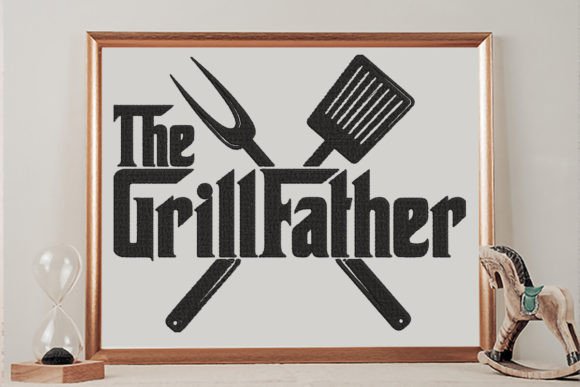
The mood of The Grill Father, Funny Father s Day is playful yet masculine, avoiding the overly cartoonish traps that can sometimes make adult apparel look juvenile. The layout is balanced, with a clear focal point that draws the eye without overwhelming the surrounding negative space. For an embroidery designer, this balance is crucial. It means the design can breathe on the fabric, reducing the risk of puckering caused by excessive stitch density in a confined area.
The theme is instantly recognizable, which is vital for retail environments like Etsy shops or local craft fairs. Customers do not always have time to decipher complex imagery. They need instant recognition. This design delivers that clarity. Whether viewed from across a boutique display or on a small smartphone screen in a digital listing, the silhouette and text remain legible. This visual personality makes it an excellent choice for personalized gifts where the recipient’s hobby is their defining trait.
Real-World Application: The Apron Test
To truly evaluate a design, you must imagine it in situ. I recently prepared a custom order for a local boutique that specialized in high-quality kitchen textiles. The client wanted a standout piece for their Father’s Day collection. I chose to stitch The Grill Father, Funny Father s Day onto a heavy-duty canvas cooking apron. This was a strategic choice. Aprons provide a large, stable surface area that minimizes the distortion often seen on stretchy fabrics.
The result was impressive. The design sat cleanly on the textured fabric, with the stitches anchoring firmly into the weave. Because the design allows for versatility, it didn’t feel out of place on a utilitarian item. In fact, it elevated the apron from a basic kitchen tool to a statement piece. This is the kind of value addition that allows small shop owners to charge a premium for handmade products. It transforms a commodity into a memorable gift.
Versatility Across Product Lines
Beyond aprons, the adaptability of this embroidery file is one of its strongest assets. I have successfully tested similar layouts on tote bags, where the horizontal spread of the design complements the bag’s shape. It also works surprisingly well on structured jackets, provided you use the correct stabilizer to support the weight of the thread. For those running a craft business, this versatility means you can maximize your return on investment by using a single digital asset across multiple product categories.
- Tote Bags: Ideal for casual, everyday use; the design pops against natural cotton canvas.
- Pillows: Adds a humorous touch to home decor, perfect for man-caves or patios.
- Jackets: Creates a bold statement piece; ensure proper hooping to avoid shifting.
- Framed Art: When stitched on high-count linen, it serves as quirky wall decor.
Technical Considerations for Stitching
While the design is robust, no embroidery project is without its technical nuances. When working with The Grill Father, Funny Father s Day, attention to detail is required to ensure a professional finished product. If you are planning to use this on curved surfaces like caps, be mindful of the hoop size and the potential for distortion. Curved surfaces require careful stabilization and potentially a smaller version of the design to maintain proportion.
Thread color contrast is another critical factor. On dark fabrics, such as navy or black sweatshirts, you must choose thread colors that stand out. A light gray or white thread might get lost if the design relies on subtle shading. Conversely, on light fabrics, ensure your background fill stitches do not show through excessively. I recommend testing the design on scrap fabric first, especially if you are new to working with the specific material intended for the final product.
Stitch density should be reviewed in your machine’s preview mode. If the design includes dense fill areas, consider using a cut-away stabilizer for garments that will undergo frequent washing. This ensures the embroidery remains stable and does not pull on the fabric over time. For items like baby embroidery projects or delicate tea towels, a lighter touch or a running stitch outline might be preferable to heavy satin fills, though this depends on the specific digitization of the file.
Commercial Viability and Brand Consistency
For Etsy sellers and digital product sellers, the commercial viability of a design is paramount. The Grill Father, Funny Father s Day fits seamlessly into the holiday embroidery niche, which sees a significant spike in demand leading up to June. However, success is not just about timing; it is about presentation. Using printable mockups to showcase the design on various items can help buyers visualize the final product, increasing buyer engagement and trust.
Brand consistency is also key. If your small shop focuses on rustic, handmade aesthetics, this design aligns well with that vibe. It feels authentic rather than mass-produced. This authenticity builds customer loyalty. When buyers receive a high-quality embroidered patch or a well-stitched sweatshirt, they are more likely to return for future purchases. The professionalism of the stitching reflects directly on your brand’s reputation.
Final Designer Notes
Before committing to a large production run, always verify the specifics of the digital embroidery file. Check the recommended hoop size and ensure your machine can handle the file format. Inspect small details for potential thread breaks, especially in tight corners or intricate lettering. If the design includes tiny text, consider scaling it up slightly to ensure readability after stitching.
Additionally, confirm the licensing terms. While many designs allow for commercial use of finished items, restrictions may apply to reselling the digital file itself. Always respect the creator’s rights and adhere to the agreed-upon usage guidelines. This protects your business and supports the broader community of designers and makers.
In conclusion, The Grill Father, Funny Father s Day is a solid addition to any embroidery designer’s library. It offers a blend of humor, visual clarity, and technical reliability that makes it suitable for a wide range of projects. From custom apparel to home decor, it provides the flexibility needed to create standout handmade products. With careful attention to fabric choice, stabilization, and thread selection, this design can elevate your craft business offerings and delight your customers.