Floral Elements: A Designer's Real-World Review
As a designer who has spent years navigating the delicate balance between digital files and physical thread, I approach every new machine embroidery design with a critical eye. We are not just looking for pretty pictures; we are looking for reliability, stitch clarity, and commercial viability. When I first opened the file for Floral Elements, my immediate goal was to determine if this design could transition smoothly from a screen preview to a tangible, high-quality product that would stand up to customer scrutiny.
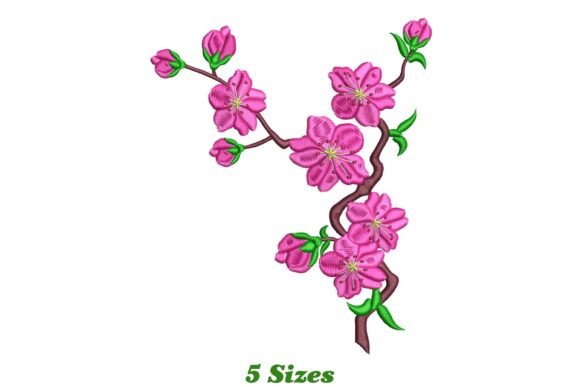
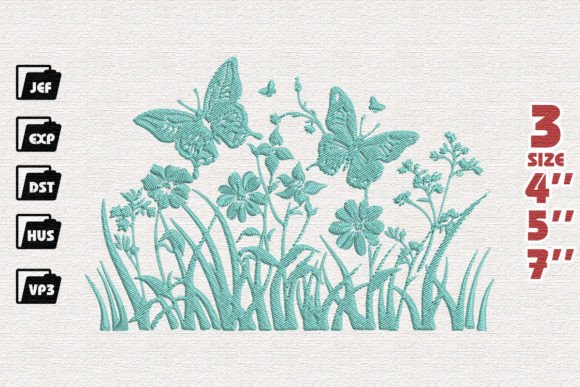
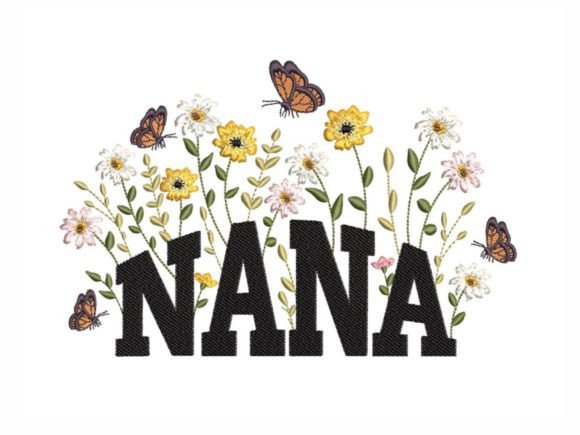
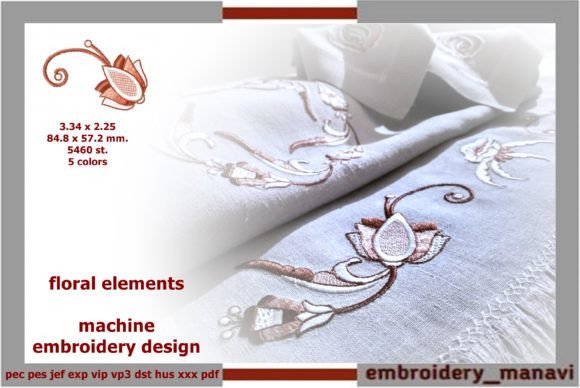
The category of Single Flowers is often crowded with generic motifs that lack personality. However, Floral Elements immediately distinguished itself with a layout that feels both whimsical and structured. The visual weight of the petals suggests a blend of satin and fill stitches that should render beautifully on medium-weight fabrics. It is the kind of design that promises to add a touch of charm without overwhelming the textile it adorns. But does it hold up under the pressure of a real production run? Let's dive into how this embroidery project performs in actual scenarios.
First Impressions: Mood and Visual Personality
Before loading the hoop, I always assess the "mood" of the design. Floral Elements exudes a soft, organic vibe that leans heavily into the realm of cottage-core aesthetics and modern minimalism. The lines are fluid, suggesting that the digitizer paid attention to natural movement rather than rigid geometric shapes. This is crucial for creating a handmade product that feels artisanal rather than mass-produced.
When visualizing this on a finished piece, the design feels versatile enough to serve as a focal point or a subtle accent. The level of detail appears moderate—enough to be interesting upon close inspection but not so dense that it risks puckering thinner materials. For an Etsy seller or boutique owner, this balance is key. Customers want to see quality craftsmanship, and a design that respects the fabric's integrity is essential for building trust and encouraging repeat business.
Real-Life Application: From Tote Bags to Baby Gear
To truly test Floral Elements, I imagined placing it on a few specific items I frequently work with. First, consider a custom tote bag design. Canvas is forgiving, but the texture can sometimes swallow smaller details. With Floral Elements, the boldness of the flower shape ensures visibility even on the slightly rougher surface of cotton canvas. Placed near the bottom corner or centered on the front panel, it elevates a basic tote into a stylish accessory suitable for farmers' markets or corporate gifts.
Next, let's look at apparel decoration, specifically a sweatshirt. Sweatshirt embroidery requires a design that can handle the stretch and thickness of fleece without losing definition. The flow of Floral Elements works well here, particularly if placed on the chest pocket area or the upper back. The curves of the petals follow the natural drape of the fabric, avoiding the stiff, plastic look that often plagues poorly digitized designs.
I also considered its potential for baby embroidery. Soft pastels and gentle shapes are non-negotiable for nursery decor and baby clothes. This design fits that niche perfectly. Whether stitched onto a receiving blanket, a bib, or a onesie, Floral Elements offers a sweet, gender-neutral aesthetic that appeals to parents looking for personalized gifts. The whimsy mentioned in the description translates well to the innocence required for children's products.
Navigating Challenges: Where Caution is Required
While Floral Elements is robust, no design is universally perfect without adjustments. As a professional, I must highlight where this embroidery file needs careful handling. If you are working with very thin fabrics like silk or lightweight rayon, the density of the fill stitches might cause some puckering. In these cases, using a tear-away stabilizer and reducing the stitch tension is mandatory to maintain the fabric's drape.
Similarly, when applying this to curved surfaces like caps or hats, the placement becomes critical. The organic shape of the flower means that distorting it on a small cap brim could ruin the visual appeal. It is best suited for flat panels or larger curved areas where the design can breathe. Additionally, if you are planning to use this for an embroidered patch with a dense backing, ensure that the outer edges are defined clearly enough to withstand the cutting process without fraying.
Another consideration is the background color. On dark fabrics, the contrast of the thread colors will dictate the success of the project. While the design looks lovely in black and white mockups, testing it on your actual dark material is vital to ensure the lighter threads pop against the background. Without proper contrast, the intricate details of the petals may get lost, diminishing the perceived value of the finished product.
Practical Notes for Designers and Makers
If you are planning to integrate Floral Elements into your craft business, there are several practical steps to take before committing to a full batch. Always start by stitching a test run on scrap fabric that matches your final project's weight and texture. This allows you to check the stitch density and adjust the speed of your machine if necessary. You want to avoid thread breaks or skipped stitches, which can ruin a batch of inventory.
Reviewing the hoop size requirements is another critical step. Ensure your hoop can accommodate the full span of the design without stretching the fabric excessively. If the design is large, you may need to reposition it multiple times, which requires precise registration to avoid misalignment. For commercial embroidery, consistency is everything. Every item leaving your shop must look identical, so mastering the setup for this specific design is part of your quality control process.
Furthermore, do not overlook the importance of licensing. Before selling any personalized gift or small shop product featuring Floral Elements, confirm that your license permits commercial use. Many designers offer different tiers for personal versus commercial projects. Violating these terms can lead to legal issues and damage your reputation as a creative entrepreneur.
Impact on Brand and Customer Engagement
Ultimately, the choice of design assets influences how customers perceive your brand. Using a high-quality design like Floral Elements signals professionalism and attention to detail. When a customer receives a pillow cover or tea towel adorned with this motif, they are not just buying a product; they are investing in a piece of art. This enhances the giftability of your items and encourages word-of-mouth marketing.
In the competitive world of handmade goods, standing out requires more than just good marketing; it requires excellent execution. Floral Elements provides the visual foundation for that execution. Its versatility across home decor, apparel, and accessories makes it a valuable addition to any digital embroidery file library. By understanding its strengths and limitations, you can leverage it to create stunning, cohesive collections that resonate with your audience.
Whether you are a hobbyist looking to upgrade your skills or a seasoned maker scaling your business, taking the time to evaluate designs like this one pays off. It transforms the act of stitching from a mechanical process into a creative strategy, ensuring that every thread counts toward building a successful, trusted brand.