Fish Hook Embroidery Design Review for Boutique Apparel
As an embroidery designer who has spent years curating collections for small clothing brands and boutique shops, I approach every new machine embroidery design with a critical eye. The market is flooded with generic motifs, so finding a piece that balances whimsy with professional appeal is a rare delight. Recently, I discovered the Fish Hook design on Creative Fabrica, listed under the Camping category but clearly versatile enough for broader lifestyle applications. Before committing to a production run of sweatshirts and hoodies, I took the time to analyze how this playful motif translates from a digital file to a tangible, high-quality garment.
First Impressions: Visual Personality and Stitching Mood
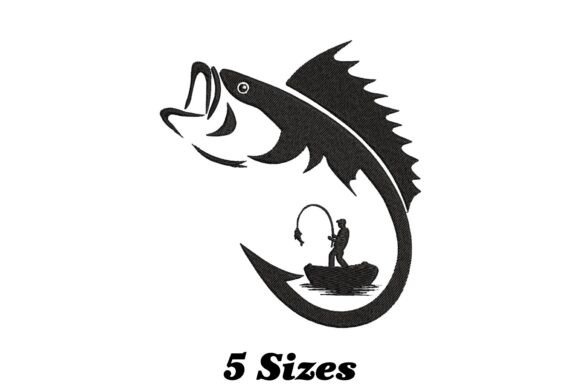
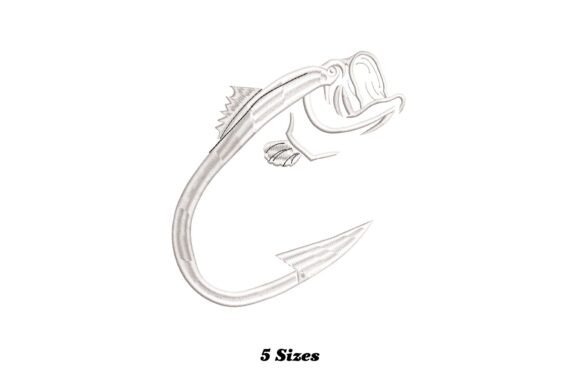
At first glance, the Fish Hook design exudes a charming, rustic energy that fits perfectly within the current trend of outdoor-inspired fashion. It does not feel overly technical or industrial; instead, it carries a soft, handcrafted aesthetic that appeals to customers looking for unique, handmade products. The visual personality is undeniably playful yet grounded, making it an excellent candidate for adding a whimsical touch to neutral fabrics. When reviewing the preview images, the detail level appears just right—complex enough to look premium but simple enough to stitch cleanly without excessive thread breaks.
The decorative strength of this design lies in its simplicity. It avoids the clutter often found in dense Creative Fabrica embroidery files, which can sometimes overwhelm smaller garments. Instead, the lines are clean, suggesting a smooth stitching process that results in a crisp finished product. Whether you are aiming for a cute, feminine vibe on pastel hoodies or a bold, trendy statement on dark denim jackets, the Fish Hook motif adapts well to various brand identities. It feels less like a standard logo and more like a story element, inviting buyers to connect with the outdoorsy, relaxed spirit of your boutique brand.
Performance Across Apparel Projects
When planning a seasonal collection, versatility is key. I envision using the Fish Hook design across a range of items, from heavy fleece sweatshirts to lightweight t-shirts. For sweatshirt embroidery, particularly on oversized garments popular with Gen Z shoppers, this design works beautifully as a chest placement. Its moderate size allows it to stand out against the fabric texture without competing with the garment's fit. On a hoodie design, placing the hook slightly off-center on the left chest creates an asymmetrical, modern look that photographs exceptionally well for social media graphics and Etsy listings.
For those interested in sleeve accents, the elongated nature of a fish hook makes it ideal for running down the arm of a sweatshirt or jacket. This placement adds a subtle detail that elevates a basic garment into a custom apparel piece. Furthermore, the design holds its own as a back design on tote bags, where the larger surface area allows for creative color blocking. Imagine a canvas tote bag featuring the Fish Hook in earth tones; it instantly transforms a utilitarian item into a stylish accessory for camping trips or beach days.
In the realm of t-shirt embroidery, the Fish Hook offers a perfect balance. It is substantial enough to be noticed but compact enough to avoid the "stiff patch" feel that plagues some heavy embroidery projects. For boutique merchandise, this design serves as a fantastic focal point for lifestyle product photos. The organic shape contrasts nicely with the straight lines of a folded shirt or the drape of a hoodie, creating dynamic printable mockups that drive customer engagement. As a digital seller, having a reliable machine embroidery design like this ensures consistency across your catalog, reinforcing your brand's commitment to quality.
Strategic Placement and Fabric Considerations
While the Fish Hook design is versatile, successful execution depends on careful placement and fabric selection. For small chest placements, ensure the hoop size accommodates the design without distorting the curve of the hook. If you are working with stretchy fabric like ribbed cuffs or waistbands, exercise caution. Embroidery on highly elastic materials can cause puckering if the stabilizer is not chosen correctly. Always test on scrap fabric first to gauge how the stitch density interacts with the material.
Dark garments present another consideration. While the design looks striking on charcoal or navy blue, the contrast between the thread colors and the background must be managed carefully. Lighter thread shades will pop, but darker threads might get lost unless you use a high-density fill or a backing layer. Additionally, curved surfaces like the shoulders of a hoodie require precise hooping to maintain the integrity of the hook's shape. Avoid placing the design in areas prone to heavy wrinkling, such as the lower hem of a t-shirt, as this can distort the visual clarity over time.
Dense stitch areas should be monitored closely during the stitching process. Although the Fish Hook appears relatively open, certain sections may have tighter curves that require slower machine speeds to prevent thread bunching. Always review the thread color palette before starting a commercial embroidery run. A mismatched color scheme can detract from the premium feel of your handmade product. By comparing placement options on different garment types, you can determine the most flattering application for your specific target audience.
Elevating Brand Identity and Commercial Value
Incorporating a well-chosen design like Fish Hook can significantly impact your brand identity. It signals to your customers that you value creativity and attention to detail. For an Etsy seller or a small shop product line, offering unique, themed embroidery sets you apart from mass-market retailers. The design fosters buyer trust by demonstrating a professional presentation and a clear vision for your collection. When customers see a cohesive theme—such as a series of outdoor-inspired pieces featuring the Fish Hook—they are more likely to recognize your brand and return for future purchases.
This design also enhances product recognition. In a crowded marketplace, distinctive motifs help your items stand out in search results and social feeds. The playful nature of the Fish Hook invites interaction; customers are more likely to share photos of their embroidered gear online, providing free marketing through user-generated content. Moreover, the ability to scale this design for various applications—from cozy seasonal outfits to everyday wear—ensures that your inventory remains relevant throughout the year.
Practical Designer Notes for Production
Before launching your Fish Hook collection, adhere to these practical steps to ensure success. First, always test the embroidery file on a scrap piece of the actual fabric you plan to use. This helps you verify the stabilizer choice and adjust tension settings if necessary. Check the hoop size requirements in the product details to ensure your machine can accommodate the design without trimming. Inspect the stitch density to confirm it won't overwhelm delicate fabrics like linen or light cotton blends.
Confirm that the thread colors you select provide sufficient contrast against your chosen apparel. If the design includes fine details, ensure your machine's needle and thread weight are appropriate to capture them accurately. Finally, and perhaps most importantly, review the licensing terms provided by Creative Fabrica. Ensure you have the correct license for selling finished apparel, especially if you plan to produce large quantities for wholesale or retail. Understanding the boundaries of your digital embroidery file rights protects your business and ensures compliance.
The Fish Hook design is a strong contender for any designer looking to infuse charm and character into their apparel line. With thoughtful planning and careful execution, it can become a signature element of your boutique brand, delivering both aesthetic appeal and commercial viability.