Cute Valentine Ghost: A Designer’s Review
As a designer who spends more time staring at stitch maps than actual fabric, I have developed a keen eye for what works in the hoop and what ends up as a tangled mess of thread. When I first pulled up the Cute Valentine Ghost design file, my initial reaction was one of cautious optimism. The market is flooded with seasonal motifs, but finding a balance between whimsical charm and technical stitchability is rare. This particular piece promises to be fun and easy to stitch, claiming it will look elegant on any fabric. In my line of work, "easy" is a dangerous word, so I decided to put it through its paces to see if it holds up under the needle.
First Impressions and Visual Personality
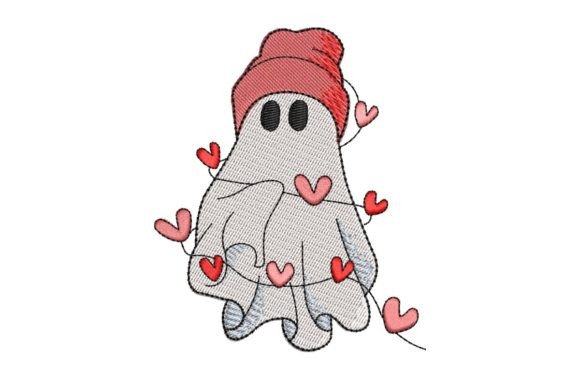
The immediate mood this design creates is playful yet refined. It avoids the cluttered look that plagues many holiday-themed embroidery files. Instead, it relies on clean lines and a balanced layout. For a Valentine S Day project, it steps away from the traditional heavy hearts and roses, offering a ghostly character that feels modern and slightly quirky. This visual personality makes it versatile. It does not scream "holiday decor" in a way that limits its shelf life to February 14th. Instead, it feels like a character that could belong in a nursery, on a casual tote, or as part of a boutique clothing line year-round, with just a hint of seasonal flair.
The detail level is moderate, which is crucial for production speed. If you are an Etsy seller or run a small shop product line, time is money. A design that is too dense takes longer to stitch and uses more thread, eating into your margins. This design appears to respect that reality, using space effectively rather than filling every pixel with satin stitch or fill stitch.
Real-World Application: The Tote Bag Test
To truly evaluate a machine embroidery design, you must imagine it on a physical object. I visualized this ghost on a natural cotton canvas tote bag. This is a staple item for craft fairs and online stores. On a textured fabric like canvas, the clarity of the design is paramount. Complex, tiny details often get lost in the weave of the material. However, the bold shapes in this embroidery file suggest it would pop nicely against the neutral background.
I also considered it for custom apparel, specifically a heather grey sweatshirt. Sweatshirts present a challenge due to the looped texture of the fleece. A design with too much density can cause puckering, while one with too little coverage might look sparse. The Cute Valentine Ghost seems to strike a middle ground. It likely utilizes a mix of running stitch for outlines and strategic fill stitch for the body, ensuring the image remains recognizable without turning the garment into a stiff board. For a personalized gift, this balance is essential. The recipient wants something soft and wearable, not a patch of plastic-like thread.
Versatility Across Product Lines
Beyond totes and sweatshirts, this design has potential in several other areas:
- Baby Embroidery: Placed on a onesie or burp cloth, the cute aesthetic fits perfectly. However, care must be taken with stabilizer choice to ensure comfort against sensitive skin.
- Embroidered Patch: This could be digitized or used as-is for iron-on patches. The clear boundaries make it ideal for cutting out after stitching.
- Kitchen Towels: A charming addition to holiday linens. The design’s simplicity ensures it survives frequent washing without unraveling, provided the stitch density is appropriate.
- Nursery Decor: Stitched onto a pillow cover or wall hanging, it adds a touch of whimsy without being overly juvenile.
Technical Considerations and Pitfalls
While the design looks promising, there are areas where a professional must exercise caution. No digital embroidery file is universally perfect for every situation. Here is where you need to pay attention:
Fabric Texture and Type: The description claims it looks gorgeous on any fabric, but experienced designers know better. On thin, stretchy fabrics like jersey knits, you must use a cut-away stabilizer to prevent distortion. On dark fabrics, you need to ensure the thread colors provide enough contrast. If the ghost is white and the background is black, you might need an underlay stitch or a backing layer to prevent the dark fabric from showing through the lighter threads.
Hoop Size and Placement: Before loading the file, check the dimensions. If you are working with a small hoop size, ensure the design fits with adequate margin for the frame. Curved surfaces, such as caps or hats, require careful placement. A design that is too wide may distort when stitched on the front panel of a cap. For these applications, consider resizing the design proportionally, but be aware that shrinking it too much can merge fine details.
Stitch Density: High density leads to puckering and thread breaks. Low density leads to gaps. Since the product description mentions it comes with mult formats, you likely have options. Always check the stitch count relative to the size. If the density seems high for a lightweight fabric, adjust your machine settings or add a topping stabilizer to keep the stitches sitting on top of the fabric texture.
Enhancing Brand Value and Customer Trust
For craft business owners, the quality of your design assets directly impacts your brand perception. A clean, well-stitched finished product builds trust. Customers can spot a messy, poorly digitized design from a mile away. Using a reliable design like Cute Valentine Ghost ensures consistency. When a customer buys a custom apparel item from you, they are buying your expertise. If the embroidery looks professional, they are more likely to return and recommend your shop.
This design also works well for printable mockup previews. Because the shapes are distinct, it photographs well. You can create compelling social media content showing the design on various products, helping potential buyers visualize the end result. This increases buyer engagement and can boost sales for your small shop product listings.
Practical Designer Notes
Before you commit to a large batch of production, follow these steps:
- Test on Scrap Fabric: Never stitch a new design directly on your final product. Use a similar fabric scrap to check for tension issues and registration.
- Check Thread Color Contrast: Experiment with different thread palettes. While the default colors may be cute, try monochrome versions for a more sophisticated look.
- Inspect Small Details: Zoom in on the digital preview. Are there tiny jump stitches that need trimming? Are there areas where the needle might hit the same spot repeatedly?
- Confirm Licensing: The description does not specify license terms. If you plan to sell items made with this commercial embroidery design, verify the license agreement. Some designers allow unlimited sales, while others require a specific commercial license.
- Use Proper Stabilizer: Match the stabilizer to the fabric. Tear-away for stable woven fabrics, cut-away for knits, and water-soluble for delicate materials like lace or towels.
In conclusion, Cute Valentine Ghost is a strong contender for your seasonal collection. It offers a blend of charm and practicality that appeals to both hobbyists and professional embroidery project managers. By respecting the technical limitations of your machine and materials, you can transform this simple file into a high-value product that delights customers and enhances your brand.