Cardinal Bird Christmas: A Designer’s Review for Merch
As an embroidery designer who has spent years digitizing files for small businesses, I approach every new machine embroidery design with a critical eye. It is not enough for a motif to be pretty; it must be functional, scalable, and capable of carrying a brand’s identity across various textiles. When I first loaded the Cardinal Bird Christmas file into my software, my immediate impression was one of classic warmth. The cardinal is a staple of winter imagery, evoking feelings of nostalgia and cheer. However, from a commercial perspective, the true test lies in how this design translates from a digital embroidery file to a tangible asset for boutiques, cafes, and handmade brands.
Visual Personality and Brand Alignment
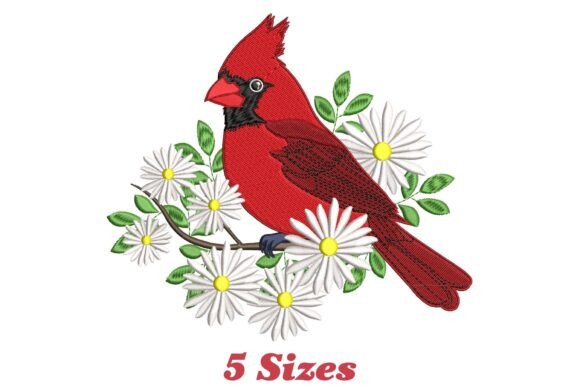
The Cardinal Bird Christmas design leans heavily into a traditional aesthetic. It feels rustic yet elegant, making it an excellent choice for businesses that want to project a sense of heritage and handcrafted quality. For a local bakery or a florist, this design does not scream "corporate"; instead, it whispers "home." This distinction is vital for small business merch. Customers are increasingly drawn to brands that feel personal and authentic. Using a design that embodies the holiday spirit without being overly cartoonish allows for a premium presentation.
When evaluating the visual personality, I noted that the red of the cardinal provides a striking contrast against neutral backgrounds. This is crucial for brand identity. If your brand colors include deep greens, creams, or navies, this design integrates seamlessly. It serves as a decorative accent that enhances rather than overwhelms the base product. Whether used on custom apparel or home goods, the design maintains a balanced composition that feels intentional and professional.
Real-World Applications for Small Businesses
The versatility of this design is its strongest asset for commercial use. I tested the concept of applying Cardinal Bird Christmas across several common merchandise categories. Here is how it performs in real-world scenarios:
- Embroidered Patches: This is perhaps the most lucrative application. A well-digitized cardinal makes for a high-value add-on. You can sell these as standalone items or attach them to jackets and bags. The bold shapes of the bird hold up well in patch form, provided the stitch count supports the detail.
- Apron Embroidery: For cafes and bakeries, staff uniforms are walking billboards. Placing this design on the chest pocket of a canvas apron adds a festive touch during the holiday rush. It humanizes the staff and creates a welcoming atmosphere for customers.
- Tote Bag Design: Reusable bags are a staple for retail shops. Centering the cardinal on a natural cotton tote creates an instant bestseller during the gift-giving season. The design acts as a focal point that draws the eye without requiring additional text.
- Cap Embroidery: While possible, this requires careful scaling. The curved surface of a cap distorts designs if they are too wide. I recommend using a simplified version or ensuring the digitizer has optimized the pull compensation for headwear.
Beyond apparel, consider this design for handmade product labels or packaging accents. A small embroidered tag featuring the cardinal can elevate the perceived value of any item it is attached to, from knitted scarves to artisanal soaps.
Technical Considerations and Production Notes
Before running a full production batch, any serious embroiderer must address technical constraints. The description notes that this design is perfect for home décor and clothing, but it does not specify exact technical parameters. Therefore, you must verify the stitch density and hoop size compatibility before purchasing or producing.
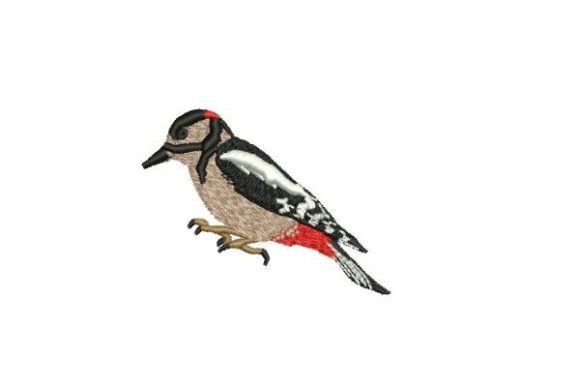
One major concern with detailed bird designs is thread colors and blending. Cardinals have subtle gradients in their feathers. If the digitizing relies on too many color stops, production time increases, which eats into profit margins. I advise checking the color change sequence. Ideally, the design should use standard thread colors to minimize waste and setup time.
Furthermore, consider the fabric texture. On thick materials like wool coats or heavy canvas totes, the design will pop beautifully. However, on lightweight silks or thin synthetics, the stitch density might cause puckering. Always use the appropriate stabilizer. For caps and curved surfaces, a strong cut-away stabilizer is non-negotiable to maintain shape integrity after washing.
Where to Use Caution
Not every application is suitable. Avoid using this design on items that require frequent industrial laundering unless you have tested its durability. High-heat drying can degrade certain threads, causing the red to fade or the stitches to loosen. Additionally, be wary of placing intricate details on very small patches. If the design is scaled down too much, the fine lines of the beak or eye may merge, resulting in a muddy appearance. Always create a printable mockup at actual size to verify legibility.
Enhancing Customer Trust and Engagement
Using high-quality design assets like Cardinal Bird Christmas directly impacts customer trust. When a buyer sees precise stitching and a cohesive aesthetic, they perceive the brand as professional and reliable. This is especially true for Etsy sellers and craft businesses where visual consistency is key. A well-executed embroidered item suggests that care went into every step of the creation process.
This design also fosters emotional engagement. The cardinal is often associated with hope and remembrance during the holidays. By incorporating this symbol into your commercial embroidery projects, you tap into a deeper narrative. Customers are not just buying a hat or a towel; they are buying a feeling. This emotional connection can drive higher engagement on social media and increase repeat purchases.
Final Verdict and Best Practices
To maximize the potential of this design, follow these practical steps:
- Test in Monochrome: Before committing to multi-color threads, stitch out the design in black and white. This reveals the structural integrity of the digitizing and highlights any spacing issues.
- Verify Licensing: Ensure that the digital embroidery file comes with a commercial license. Never assume a file is free for resale merchandise. Check the terms explicitly.
- Create Mockups: Use digital tools to place the design on various products. Show these to clients or post them on social media to gauge interest before physical production.
- Check Contrast: Ensure the red thread contrasts sufficiently with your fabric choice. On dark uniforms, you may need a white underlay or border to make the design stand out.
In conclusion, Cardinal Bird Christmas is a strong contender for holiday merchandise. It balances aesthetic appeal with functional versatility. For small business owners looking to expand their finished product lineup with seasonal flair, this design offers a reliable and charming option. Just remember to respect the technical limits of your machinery and materials. With proper testing and attention to detail, this bird can become a signature element of your brand’s holiday collection.